Top Mind-Body Practices for Stress Relief in 2026: Science-Backed Techniques That Actually Work
Stress is no longer just an occasional problem. In 2026, it has become a daily experience for millions of people balancing work, digital overload, finances, and personal responsibilities. That’s why mind-body practices for stress relief 2026 are becoming more popular than ever. People are no longer looking for quick fixes — they want science-backed, natural solutions that calm the nervous system and improve long-term well-being. The good news? Research continues to confirm that certain mind-body techniques truly work.
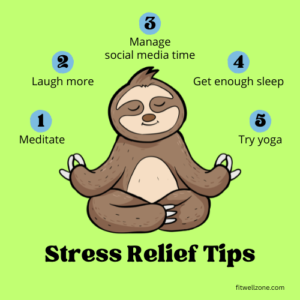
1. Mindfulness Meditation
Mindfulness meditation remains one of the most effective mind-body practices for stress relief 2026. Studies from institutions like Harvard Medical School show that regular meditation can reduce cortisol (the stress hormone), improve emotional control, and enhance focus.
Unlike traditional meditation that may feel intimidating, modern mindfulness in 2026 is simple:
-
5–10 minutes daily
-
Focus on breathing
-
Notice thoughts without judgment
Apps, guided videos, and wearable tech now help track heart rate and stress response, making meditation more measurable and motivating.
Why it works: Mindfulness strengthens the connection between your brain and body, helping you respond calmly instead of reacting emotionally.
2. Breathwork and Vagus Nerve Stimulation
Breathwork has exploded in popularity, becoming one of the fastest-growing mind-body practices for stress relief 2026. Techniques like box breathing, 4-7-8 breathing, and physiological sigh directly calm the nervous system.
Slow, controlled breathing activates the vagus nerve, which signals your body to shift from “fight or flight” into “rest and digest” mode.
Try this simple technique:
-
Inhale for 4 seconds
-
Hold for 4 seconds
-
Exhale for 6 seconds
-
Repeat for 3–5 minutes
Why it works: Deep breathing lowers heart rate, reduces anxiety, and increases oxygen flow to the brain almost instantly.
3. Yoga for Nervous System Regulation
Yoga continues to evolve, but its stress-relieving benefits remain powerful. In 2026, gentle forms like restorative yoga and trauma-informed yoga are especially popular. According to research supported by the National Institutes of Health, yoga helps reduce anxiety symptoms, improve flexibility, and balance stress hormones. You don’t need advanced poses. Even 15 minutes of slow stretching combined with breath awareness can:
-
Relax tight muscles
-
Improve sleep
-
Reduce mental fatigue
Why it works: Yoga integrates movement, breathing, and mindfulness — creating a full mind-body reset.
4. Somatic Therapy and Body Awareness
One of the newest mind-body practices for stress relief 2026 is somatic therapy. This approach focuses on how stress is stored physically in the body.
Instead of just talking about stress, somatic techniques encourage you to:
-
Notice body sensations
-
Release tension through gentle movement
-
Practice grounding exercises
For example, slowly scanning your body from head to toe and identifying areas of tightness can increase emotional awareness.
Why it works: Stress often lives in the body as muscle tension or shallow breathing. Releasing it physically can calm the mind naturally.
5. Cold Exposure Therapy
Cold showers and ice baths are trending wellness practices in 2026. While they may sound extreme, controlled cold exposure has been studied for its ability to improve resilience to stress.
Short bursts (30–60 seconds) of cold-water exposure can:
-
Boost circulation
-
Increase alertness
-
Strengthen mental toughness
Cold therapy is becoming one of the more adventurous mind-body practices for stress relief 2026 because it trains the nervous system to stay calm under controlled discomfort.
Why it works: Gradual exposure to stress in a safe way builds emotional resilience.
6. Digital Detox and Mindful Technology Use
In 2026, digital burnout is real. Constant notifications and screen time overstimulate the brain. That’s why digital detox routines are now considered important mind-body practices for stress relief 2026.
Simple strategies include:
-
No phone 1 hour before bed
-
Scheduled social media breaks
-
Turning off non-essential notifications
Research from organizations like American Psychological Association highlights the connection between screen overload and anxiety levels.
Why it works: Reducing digital noise lowers mental clutter and improves sleep quality.
7. Guided Visualization
Visualization is another powerful yet simple technique. Athletes and high performers have used it for decades, and now it’s becoming mainstream for stress relief.
Spend 5 minutes imagining a peaceful place — a beach, mountains, or quiet forest. Focus on details: sounds, temperature, colors.
Why it works: The brain responds to imagined experiences similarly to real ones, helping shift the body into relaxation mode.
Why Mind-Body Practices Matter More Than Ever in 2026
Modern stress is constant and fast-paced. Medication may help in some cases, but many people prefer natural and preventative methods. That’s why mind-body practices for stress relief 2026 are not just trends — they are long-term wellness strategies.
These techniques:
-
Lower cortisol levels
-
Improve emotional regulation
-
Enhance sleep quality
-
Strengthen immune health
-
Build mental resilience
The best part? You don’t need expensive equipment or hours of free time. Even 10–15 minutes daily can create noticeable change within weeks.
Final Thoughts
If stress feels overwhelming in 2026, you’re not alone. But you also have more tools than ever before. The rise of mind-body practices for stress relief 2026 shows a shift toward holistic health — where mental and physical well-being are deeply connected. Start small. Try breathwork today. Add meditation tomorrow. Maybe explore yoga this weekend. Consistency matters more than perfection.