
What Is Crohn’s Disease?
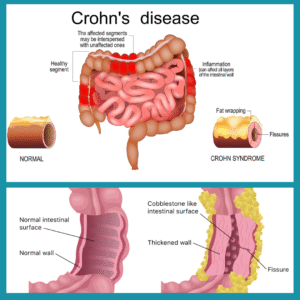
Crohn’s disease is a long-term inflammatory condition that affects the digestive tract, mainly the small intestine and large intestine (colon). It’s a type of inflammatory bowel disease (IBD) that can cause pain, diarrhea, weight loss, and fatigue.
Unlike normal stomach infections that go away quickly, Crohn’s is chronic, meaning it lasts for years or even a lifetime. The inflammation can spread deep into the layers of your digestive tissues, often leading to complications if left untreated.
How Crohn’s Disease Affects the Body
Crohn’s can appear anywhere along the digestive tract — from the mouth to the anus — but it most commonly affects the end of the small intestine (ileum) and the beginning of the colon. When the immune system mistakes healthy cells in the gut for foreign invaders, it starts attacking them, leading to inflammation and ulcers. Over time, this constant inflammation can cause scar tissue, blockages, and malnutrition.
Common Symptoms of Crohn’s Disease
Crohn’s symptoms can vary from mild to severe and may develop gradually. Here are the most common ones:
-
🔹 Persistent diarrhea
-
🔹 Abdominal cramps or pain
-
🔹 Fatigue and weakness
-
🔹 Unexplained weight loss
-
🔹 Blood in stool
-
🔹 Loss of appetite
-
🔹 Mouth sores
-
🔹 Fever or night sweats
Some people also experience periods of remission, where symptoms disappear for weeks or months — but they can return suddenly during flare-ups.
Causes and Risk Factors of Crohn’s Disease
There isn’t one single cause of Crohn’s, but experts believe it’s due to a combination of genetic, immune system, and environmental factors.
1. Immune System Problems
Crohn’s disease is considered an autoimmune condition. The immune system accidentally attacks healthy gut bacteria, leading to inflammation and tissue damage.
2. Genetics
If a close family member has Crohn’s or another type of IBD, your chances of developing it increase. Scientists have identified over 200 genes linked to Crohn’s.
3. Environmental Triggers
Lifestyle and environmental factors such as:
-
Smoking
-
Diet high in processed foods
-
Stress
-
Antibiotic use
can increase inflammation and trigger flare-ups.
4. Age and Gender
Crohn’s can occur at any age but is most common between 15 and 35 years old. It affects both men and women, though studies show slightly higher rates in women.
How Crohn’s Disease Is Diagnosed
Because Crohn’s shares symptoms with other digestive disorders, diagnosis often requires several tests. Here’s what doctors usually do:
1. Blood Tests
To check for anemia, infection, or inflammation markers like C-reactive protein (CRP).
2. Stool Tests
Used to detect hidden blood, infections, or inflammation in the intestines.
3. Endoscopy or Colonoscopy
A small camera is inserted through the mouth or rectum to visualize the digestive tract and collect tissue samples (biopsies).
4. Imaging Tests
CT scans or MRI scans help detect deep inflammation or blockages that can’t be seen during an endoscopy.
Early diagnosis is key because untreated Crohn’s can cause long-term damage to your intestines.
Types of Crohn’s Disease
There are different types depending on which part of the digestive tract is affected:
-
Ile colitis: Affects both the ileum and colon — the most common form.
-
Ileitis: Involves only the small intestine.
-
Gastroduodenal Crohn’s: Affects the stomach and the beginning of the small intestine.
-
Jejunoileitis: Causes inflammation in the upper half of the small intestine.
-
Crohn’s Colitis: Involves only the large intestine and can resemble ulcerative colitis.
Complications of Crohn’s Disease
If not managed properly, Crohn’s can lead to serious complications such as:
-
Intestinal blockages (narrowing of the intestines)
-
Ulcers and fistulas (abnormal connections between organs)
-
Malnutrition due to poor absorption
-
Colon cancer risk over time
-
Arthritis and skin inflammation
Treatment Options for Crohn’s Disease
While there’s no permanent cure for Crohn’s, treatments can help control inflammation, relieve symptoms, and prevent flare-ups.
1. Medications
-
Anti-inflammatory drugs (such as corticosteroids or mesalamine) help reduce swelling in the intestines.
-
Immunosuppressants stop the immune system from attacking the digestive tract.
-
Biologic therapies target specific inflammation-causing proteins (like TNF inhibitors).
-
Antibiotics are used to treat or prevent infections.
2. Diet and Nutrition
Since Crohn’s affects digestion, diet plays a huge role in symptom control:
-
Eat small, frequent meals
-
Avoid spicy or greasy foods
-
Limit dairy if you’re lactose intolerant
-
Drink plenty of water
-
Include low-fiber foods during flare-ups (like white rice, eggs, and lean protein)
A dietitian can help create a personalized meal plan to avoid nutrient deficiencies.
3. Lifestyle Changes
-
Quit smoking (it worsens Crohn’s symptoms)
-
Get regular exercise
-
Manage stress with yoga or meditation
-
Get enough sleep to support recovery
4. Surgery
When medications fail or complications occur, surgery may be needed to remove damaged parts of the intestines. About 70% of Crohn’s patients eventually need at least one surgery in their lifetime.
Living with Crohn’s Disease
Crohn’s can affect more than your physical health — it impacts your mental and emotional wellbeing too.
Here’s how to make life easier:
-
Build a support system — connect with others who understand your journey.
-
Track your symptoms and diet to identify what triggers flare-ups.
-
Stay in touch with your doctor for regular checkups.
-
Keep a positive mindset — remission periods can last long with the right care.
With modern treatments, many people with Crohn’s live active, fulfilling lives.
Home Remedies and Natural Support
Along with medical treatment, certain natural approaches can help reduce inflammation and discomfort:
-
Omega-3 fatty acids (found in fish oil)
-
Probiotics (yogurt or supplements to restore gut health)
-
Turmeric (Curcumin) — known for anti-inflammatory properties
-
Aloe Vera juice for soothing digestion
-
Mindfulness meditation to reduce stress-related flare-ups
Always consult your doctor before starting supplements.
Can Crohn’s Be Prevented?
There’s no sure way to prevent Crohn’s, but you can reduce the risk and severity:
-
Maintain a balanced diet
-
Avoid smoking and alcohol
-
Stay hydrated
-
Get regular exercise
-
Manage stress effectively
When to See a doctor
Seek medical attention if you notice:
-
Persistent diarrhea or stomach pain
-
Blood in stool
-
Severe fatigue
-
Rapid weight loss
-
Fever that doesn’t go away
Early diagnosis and treatment make a huge difference in managing Crohn’s successfully.
Conclusion
Crohn’s disease is a challenging condition, but with the right care, lifestyle changes, and medical support, you can control symptoms and live a healthy life. Understanding your body, following your doctor’s advice, and maintaining a positive attitude are the most powerful tools in your recovery journey. Remember — Crohn’s doesn’t define you. With knowledge, awareness, and proper management, you can take control of your health and enjoy life to the fullest.