
Minimalist Skincare Routine for Sensitive Skin That Actually Works
If you have sensitive skin, you already know the struggle. One wrong product and suddenly your face feels itchy, red, tight, or on fire. Many people with sensitive skin fall into the trap of trying more products to fix the problem — serums, acids, masks, toners — only to make things worse. That’s where minimalist skincare comes in.
Minimalist skincare isn’t about neglecting your skin. It’s about giving your skin exactly what it needs — and nothing it doesn’t. For sensitive skin, this approach can be truly life changing.
Why Sensitive Skin Loves a Minimalist Routine
Sensitive skin has a weakened skin barrier. This barrier is your skin’s natural shield that keeps moisture in and irritants out. When you overload your skin with too many products or harsh ingredients, that barrier breaks down.
A minimalist routine helps by:
-
Reducing irritation and inflammation
-
Allowing the skin barrier to repair itself
-
Preventing product overload and ingredient conflicts
-
Saving time, money, and stress
Instead of chasing trends, you focus on consistency and gentleness — and that’s exactly what sensitive skin needs.
The Golden Rules of Minimalist Skincare for Sensitive Skin
Before we talk about products, let’s talk about mindset. These rules matter more than any brand.
-
Fewer products = fewer reactions
-
Gentle always beats aggressive
-
Consistency beats perfection
-
Your skin doesn’t need to tingle to work
If a product burns, stings, or makes your skin uncomfortable — it’s not “working.” It’s damaging.
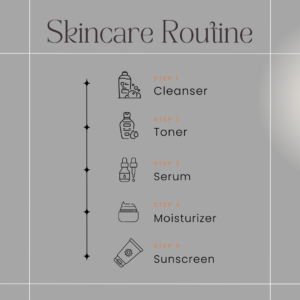
Step 1: A Gentle Cleanser (Morning & Night)
Cleansing is necessary, but over-cleansing is one of the biggest mistakes people with sensitive skin make.
What to look for:
-
Fragrance-free
-
Sulfate-free
-
Cream or gel-based cleansers
-
pH-balanced (around 5.5)
How to use it:
-
Cleanse once in the morning and once at night
-
Use lukewarm water, not hot
-
Massage gently with your fingertips
-
Pat dry with a soft towel — don’t rub
If your skin feels tight after washing, your cleanser is too harsh.
Step 2: One Hydrating Product (Optional but Helpful)
Minimalist skincare doesn’t mean zero hydration. If your skin feels dry or uncomfortable, one simple hydrating step can make a big difference.
Good options:
-
Hyaluronic acid serum (simple formula)
-
Glycerin-based hydrating essence
-
Aloe-based calming gel (alcohol-free)
How to use:
-
Apply on slightly damp skin
-
Use just one hydrating product
-
No layering multiple serums
Hydration helps your skin barrier repair faster and reduces sensitivity over time.
Step 3: A Barrier-Repair Moisturizer (Non-Negotiable)
If you only invest in one skincare product, let it be a good moisturizer. For sensitive skin, moisturizing is not optional — it’s essential.
Look for ingredients like:
-
Ceramides
-
Panthenol (Vitamin B5)
-
Shea butter
-
Squalane
-
Colloidal oatmeal
Avoid:
-
Strong fragrance
-
Essential oils
-
Alcohol (especially denatured alcohol)
How to apply:
-
Morning and night
-
Use a pea-to-nickel sized amount
-
Press gently into the skin
A good moisturizer acts like a protective blanket for your skin.
Step 4: Sunscreen (Morning Only, But Very Important)
Sun exposure can seriously worsen sensitive skin, redness, and irritation — even if you don’t burn.
Best sunscreen types for sensitive skin:
-
Mineral sunscreen (zinc oxide or titanium dioxide)
-
Fragrance-free
-
SPF 30 or higher
Tips:
-
Apply every morning, even indoors
-
Use enough — most people under-apply
-
Reapply if you’re outdoors
Sunscreen protects the progress you’re making with your minimalist routine.
What to Remove from Your Routine (Very Important)
Sometimes, skincare improves not by adding products — but by removing them.
If you have sensitive skin, consider avoiding:
-
Physical scrubs
-
Strong exfoliating acids
-
Retinol (unless prescribed and tolerated)
-
Alcohol-heavy toners
-
Daily face masks
Exfoliation is not necessary for everyone. Healthy skin renews itself naturally when the barrier is strong.
How Long Until You See Results?
This is where many people give up too soon.
With minimalist skincare:
-
1–2 weeks: Less irritation, less redness
-
3–4 weeks: Improved comfort and hydration
-
6–8 weeks: Stronger barrier, healthier glow
Sensitive skin heals slowly — but when it heals, the results are more stable and long-lasting.
Common Mistakes to Avoid
Even with a minimalist routine, these mistakes can sabotage results:
-
Switching products too often
-
Trying “just one more” trending product
-
Ignoring sunscreen
-
Over-washing the face
-
Expecting overnight miracles
Minimalism only works when you commit to simplicity.
Is Minimalist Skincare Enough?
For most people with sensitive skin — yes.
Once your skin is calm and stable, you may optionally add:
-
A gentle treatment product (once or twice a week)
-
A dermatologist-recommended active
But minimalist skincare should always be your foundation.
Final Thoughts: Less Really Is More
Sensitive skin doesn’t want to be “fixed.” It wants to be protected, supported, and left alone. A minimalist skincare routine gives your skin the space it needs to heal itself naturally. No harsh ingredients. No complicated steps. Just consistency, patience, and care. If your skin has been reacting, breaking out, or feeling uncomfortable — this approach isn’t just simpler. It’s smarter.
Check your Body age calculator here- Body Age Calculator – Fitwell zone