
Plant-Based Diet for Beginners: What to Eat in 2026
Thinking about switching to a healthier lifestyle in 2026? You’re not alone. More Americans are choosing a plant-based diet for beginners as a simple way to improve their health, boost energy, and feel better overall. The best part? You don’t have to be perfect or give up all your favorite foods to get started.
So here, we’ll break down exactly what to eat, how to start, and how to make a plant-based diet for beginners easy and sustainable in your everyday life.
What Is a Plant-Based Diet?
A plant-based diet focuses mostly on foods that come from plants. This includes:
-
Fruits and vegetables
-
Whole grains
-
Beans and legumes
-
Nuts and seeds
It doesn’t necessarily mean you have to go fully vegan. Many people in the U.S. follow a flexible approach where they still eat small amounts of meat or dairy occasionally.
That’s why a plant-based diet for beginners is so popular — it’s simple, flexible, and realistic.
Why Americans Are Choosing Plant-Based Eating in 2026
There are a few big reasons why this trend is growing fast:
-
Better digestion and gut health
-
Easier weight management
-
More energy throughout the day
-
Lower risk of chronic diseases
Plus, plant-based eating is becoming more accessible. Grocery stores across the U.S. now offer a wide variety of plant-based options, making a plant-based diet for beginners easier than ever.
What to Eat on a Plant-Based Diet
Let’s get into the most important part — what should you actually eat?
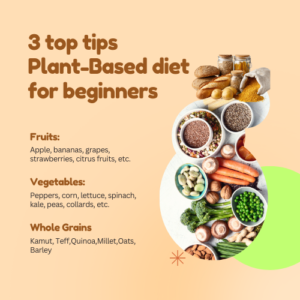
1. Fruits and Vegetables
These should be the foundation of your meals. They are rich in vitamins, minerals, and fiber.
Examples:
-
Apples, bananas, berries
-
Spinach, broccoli, carrots
-
Sweet potatoes, bell peppers
Try to fill half your plate with fruits and vegetables at every meal when following a plant-based diet for beginners.
2. Whole Grains
Whole grains provide long-lasting energy and help keep you full.
Best options:
-
Brown rice
-
Oats
-
Quinoa
-
Whole wheat bread
Switching from refined grains to whole grains is one of the easiest ways to improve your diet.
3. Beans and Legumes
Beans are a major protein source in a plant-based diet for beginners.
Examples:
-
Lentils
-
Chickpeas
-
Black beans
-
Kidney beans
They are also affordable, easy to cook, and great for meal prep.
4. Nuts and Seeds
These are packed with healthy fats and nutrients.
Add to your diet:
-
Almonds
-
Walnuts
-
Chia seeds
-
Flaxseeds
They’re perfect for snacks or adding crunch to meals.
5. Plant-Based Protein Options
If you’re worried about protein, don’t be. There are plenty of plant-based sources.
Popular choices in the U.S.:
-
Tofu
-
Tempeh
-
Plant-based protein powders
-
Meat alternatives (like veggie burgers)
Including these options makes a plant-based diet for beginners more balanced and satisfying.
Simple Meal Ideas for Beginners
Here are some easy meal ideas you can try:
Breakfast:
-
Oatmeal with berries and almond butter
Lunch:
-
Quinoa salad with chickpeas and veggies
Dinner:
-
Brown rice with stir-fried vegetables and tofu
Snacks:
-
Apple with peanut butter
-
Handful of nuts
These meals are simple, affordable, and perfect if you’re starting a plant-based diet for beginners.
Tips to Get Started
Starting something new can feel difficult, but it doesn’t have to be.
Here are some practical tips:
-
Start with 1–2 plant-based meals per day
-
Don’t try to change everything overnight
-
Keep your meals simple
-
Plan your groceries in advance
-
Stay consistent, not perfect
Remember, a plant-based diet for beginners is about progress, not perfection.
Common Mistakes to Avoid
Many beginners make small mistakes that can slow their progress:
-
Eating too many processed “plant-based” foods
-
Not getting enough protein
-
Skipping meals
-
Not eating enough calories
Focus on whole, natural foods as much as possible.
Starting a plant-based diet for beginners in 2026 is one of the smartest steps you can take for your health. It’s not about strict rules or cutting everything out — it’s about making better choices one meal at a time. Begin with simple foods, experiment with new recipes, and find what works for your lifestyle. Over time, you’ll notice better digestion, more energy, and an overall healthier way of living.