
High-Fiber Foods for Digestion (2026 Guide)
If you’ve been feeling bloated, sluggish, or just not “regular,” your diet might be missing one key thing — fiber. In 2026, more Americans are realizing that adding the right high fiber foods for digestion can completely transform gut health, energy levels, and even weight management.
The good news? You don’t need a complicated diet. Simple, everyday foods can make a big difference. This guide will help you understand which foods to eat, why they work, and how to include them in your daily routine.
Why Fiber Matters for Digestion
Fiber is a type of carbohydrate your body can’t fully digest. Instead of being broken down, it moves through your digestive system and helps keep things running smoothly.
There are two main types:
-
Soluble fiber – dissolves in water and helps soften stool
-
Insoluble fiber – adds bulk and helps food move faster through your system
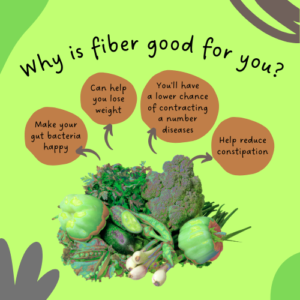
Together, they support healthy digestion, reduce constipation, and feed the good bacteria in your gut.
This is why experts consistently recommend eating more high fiber foods for digestion as part of a balanced diet.
Signs You May Need More Fiber
Before we get into the foods, here are a few common signs your body might be asking for more fiber:
-
Frequent bloating
-
Constipation
-
Irregular bowel movements
-
Low energy levels
-
Feeling hungry soon after meals
If you notice these, increasing your intake of high fiber foods for digestion could help improve how you feel day-to-day.
Best High-Fiber Foods for Better Digestion
Add these foods in your diet for better digestion 2026-
1. Oats
Oats are one of the easiest and most popular breakfast options in the U.S. They are rich in soluble fiber, especially beta-glucan, which helps improve digestion and gut health.
How to eat:
-
Oatmeal with fruits
-
Overnight oats
-
Smoothies
Oats are a simple way to start including high fiber foods for digestion in your morning routine.
2. Chia Seeds
Chia seeds are small but powerful. Just one tablespoon contains a high amount of fiber and can help keep your digestive system moving smoothly.
How to eat:
-
Add to smoothies
-
Mix into yogurt
-
Make chia pudding
They also help you feel full longer, which is great if you’re trying to manage your weight.
3. Apples
An apple a day still holds true. Apples contain both soluble and insoluble fiber, making them excellent for digestion.
Tip: Eat them with the skin — that’s where most of the fiber is.
Apples are one of the easiest high fiber foods for digestion you can carry and eat anywhere.
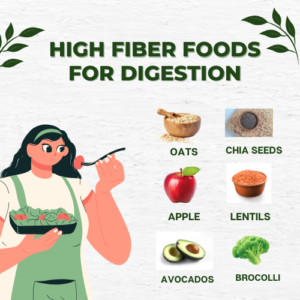
4. Lentils
Lentils are packed with fiber and protein, making them a favorite for healthy eating in the U.S.
How to eat:
-
Soups
-
Salads
-
Rice bowls
They support gut health and keep your digestion steady throughout the day.
5. Broccoli
Broccoli is not just a “healthy vegetable” — it’s a digestion booster. It contains fiber and compounds that support gut bacteria.
How to eat:
-
Steamed
-
Stir-fried
-
Roasted
Adding vegetables like broccoli is a smart way to include more high fiber foods for digestion in your meals.
6. Avocados
Avocados are extremely popular in American diets right now — and for good reason. They’re rich in fiber and healthy fats.
How to eat:
-
Toast
-
Salads
-
Smoothies
They help keep your digestive system balanced and reduce inflammation.
7. Whole Grains
Whole grains like brown rice, quinoa, and whole wheat bread are much better than refined grains.
Why they matter:
-
More fiber
-
Better digestion
-
Longer-lasting energy
Switching to whole grains is one of the easiest ways to increase high fiber foods for digestion in your daily meals.
8. Berries
Strawberries, blueberries, and raspberries are loaded with fiber and antioxidants.
How to eat:
-
Breakfast bowls
-
Smoothies
-
Snacks
They are sweet, healthy, and great for gut health.
How Much Fiber Do You Need?
According to general nutrition guidelines in the U.S.:
-
Men: about 30–38 grams per day
-
Women: about 21–25 grams per day
Most people don’t reach this amount, which is why focusing on high fiber foods for digestion is so important.
Tips to Add More Fiber Without Discomfort
Adding too much fiber too quickly can cause gas or bloating. Here’s how to do it the right way:
-
Start slowly and increase gradually
-
Drink plenty of water
-
Mix different fiber sources
-
Avoid processed foods
Consistency matters more than doing everything at once.
Simple Daily Meal Example
Here’s how you can include fiber in a typical day:
Breakfast: Oatmeal with berries
Lunch: Lentil salad with vegetables
Snack: Apple with peanut butter
Dinner: Brown rice with broccoli and chicken
This kind of routine naturally includes multiple high fiber foods for digestion without feeling restrictive.
Final Thoughts
Improving digestion doesn’t require expensive supplements or complicated diets. In most cases, it comes down to eating the right foods consistently. By adding more high fiber foods for digestion into your daily meals, you can support your gut, feel more energized, and improve your overall health. Start small. Add one or two fiber-rich foods today. Over time, your body will thank you with better digestion, more energy, and a healthier lifestyle.